What drives fashion’s landscape if not the influence of media, and how else but through its prevailing metrics?
The forecasting model that estimates the value of public relations is transforming how businesses evaluate their impact.
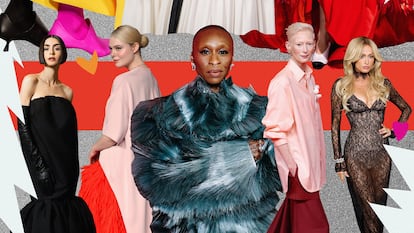
In the tedious, sometimes tiresome and, above all, endless parade of celebrities dressed in the latest runway looks across today’s gala carpets, the algorithm is king. Not just any algorithm, mind you, but the most devilish metric devised to date. Because it finally translates the old publicity strategy of fame — once governed by unquantifiable guesswork — into money.
No, it’s not magic—it’s calculated: the system evaluates each instance based on measurable data, not guesswork. The system analyzes engagement patterns, weighing interactions precisely, and adjusts for contextual depth, ensuring precision without speculation.
The new ghost in the machine now tracks what once was silent, turning engagement into measurable currency—while brands, once quiet, now chase every pulse of attention, rewriting influence one click at a time.
In the beginning, of course, there were the influencers. In order for fashion, beauty, and lifestyle brands to truly determine the economic return they gain from employing what are now known as content creators, between 2018 and 2020 the U.S. Tech and information‑services company Launchmetrics developed an algorithm capable of analyzing and determining the performance of their marketing and public‑relations actions in terms of visibility, coverage across different channels, market impact, and engagement.
Once the measurement is done, the program evaluates the result — that is, the return on investment — which does not flow directly back into the brands’ coffers as money, but instead provides them with an indicator of the value generated by event appearances and social‑media posts from the online personalities they collaborate with. At a time of peak tension between the old journalistic guard and the then‑emerging online gurus (Suzy Menkes lives, the struggle continues), the discovery was greeted with enthusiasm, especially after it became known that the mere presence of blogger‑turned‑influential‑interior‑designer Aimee Song at the New York and Paris runways in 2019 generated more than $2 million in MIV.
Seven years later, MIV has become gospel in the fashion industry, which has surrendered to its power. “All the rankings, all the lists, from which collection was the best to what went viral on social media, are measurements provided by Launchmetrics. Although our most important role is offering organizational support for the events held during fashion weeks: 95% of major brands use our software,” says Alison Bringé, the company’s chief marketing officer. Launchmetrics now presents itself as the first cloud‑based predictive AI brand‑performance service, and additionally offers support in digital showrooms, benchmarking, and guest planning and RSVP management for shows and parties.
Even so, the big headlines still go to the valuations produced by its algorithm. Take last year’s Met Gala, for instance, which was tallied at over $1.2 billion generated barely 48 hours after a red carpet that Louis Vuitton won by a landslide, with around $50 million to its name. Or the most recent Paris shows, marked by a wave of creative‑director debuts in luxury, with an estimated media impact of over $1 billion. A rising figure that still falls short of the return fashion reaps when it parades through a film festival.
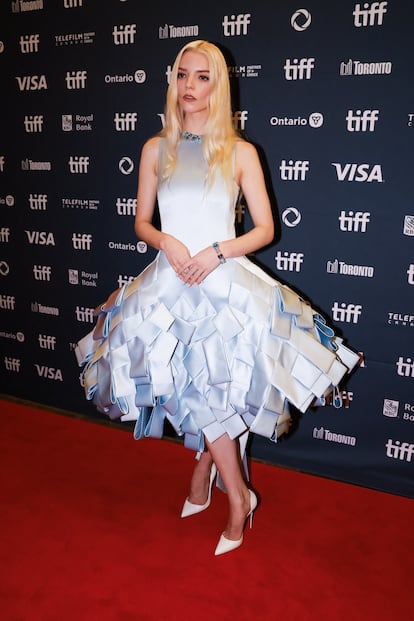
With the predictive algorithm on their side, the point is that brands now know exactly which baskets to put their eggs in to maximize strategies that, until not long ago, could only be guessed at as earned media value — that is, the publicity a brand obtains organically, without investing in ads or its own channels (it’s called “earned” because their value stems from good performance in terms of actions, narrative, or reputation, rather than from buying advertising space).
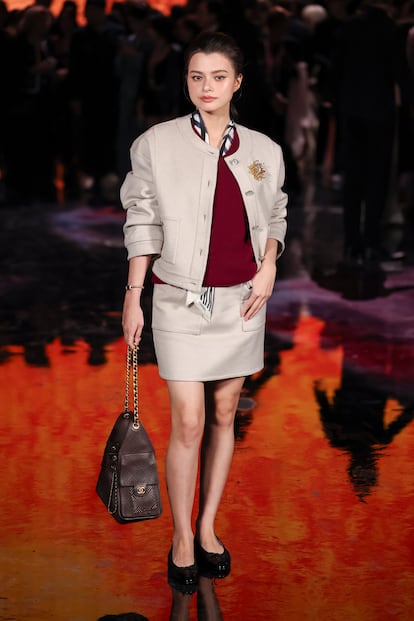
An abstract and unreliable metric that no longer works with the new generations of consumers: 69% of Gen Z and Gen Alpha say they trust influencers and friends more when making purchases than direct brand communication. MIV now helps brands beat the game at a time when celebrity dominates the sociocultural conversation. The conclusion is obvious: how could they not go wild trying to dress whichever star is in vogue if a single photo posted on her Instagram profile will generate a planetary return measured in millions? Actress and singer Rebecca Armstrong — better known as Becky — generated more than $1.5 million at Matthieu Blazy’s debut for Chanel. Jisoo, from the girl group Blackpink, created more than $1.3 million in media impact with a teaser of Jonathan Anderson’s Dior.
The consequences of this shit have been swift. The most obvious is the current obsession with previewing designers’ work at festivals, audiovisual premieres, and high‑profile parties before it’s shown on the proper seasonal runways — creating anticipation, yes, but also burning through material. The most painful is turning collections into vehicles for celebrities, with garments that seem destined to shine briefly on red carpets rather than in the everyday lives of ordinary mortals. You can see it in countless posts from users who talk about fashion online: “Can’t wait to see so‑and‑so in that dress,” or “That would look amazing on what’s‑her‑name,” or “This is awards‑season dream material.” Perhaps because saying “I’d buy everything if I could afford those prices” highlights the precarious situation most people are in, not to mention the unbearable levels of elitism.
The gradual fading of traditional models in favor of digital prominence has shifted fashion’s landscape, with brands now leaning heavily on digital visibility rather than timeless craftsmanship—yet their allure still lingers, quietly shaped by the very stars they once relied on to lend them cachet.
Sign up for our weekly newsletter to get more English-language news coverage from EL PAÍS USA Edition
Tu suscripción se está usando en otro dispositivo
¿Quieres añadir otro usuario a tu suscripción?
Si continúas leyendo en este dispositivo, no se podrá leer en el otro.
FlechaTu suscripción está en uso en otro dispositivo y solo puedes acceder a EL PAÍS desde uno simultáneamente.
Si deseas compartir tu cuenta, actualiza tu suscripción al plan Premium, así podrás incluir a otro usuario. Cada uno iniciará sesión con su propio correo electrónico, lo que les permitirá personalizar su experiencia en EL PAÍS.
¿Tienes una suscripción de empresa? Accede aquí para contratar más cuentas.
Si no estás seguro de quién está utilizando tu cuenta, te sugerimos actualizar tu contraseña aquí.
Si decides seguir compartiendo tu cuenta, este mensaje aparecerá en tu dispositivo y en el de la otra persona que utiliza tu cuenta de manera permanente, impactando tu experiencia de lectura. Puedes consultar aquí los términos y condiciones de la suscripción digital.