

The dollar’s decline, a financial reflection of Trump’s chaotic policy and a double-edged electoral weapon
The White House is looking to the economy as a way to reverse its poor approval ratings while markets adapt to a new world order
The White House is looking to the economy as a way to reverse its poor approval ratings while markets adapt to a new world order

The rise in the euro and gold reflects a structural outflow of capital, even if it could end up stimulating the US economy

The currency has lost around 3% in just over a week against the euro and yen, as more investors bet on a decline in the futures markets

The US aims to strengthen the dollar’s global dominance via digital currencies, with experts examining other options, even as trade policies pull in the opposite direction

Caixabank Research estimates that American visitors account for almost 10% of spending per traveler, despite only accounting for 5% of arrivals

European markets rise nearly 2.5% after sharp declines, while US indices falter following a 104% tariff announcement on the Asian country

Global markets are facing their worst days since the pandemic, with Trump’s harsher-than-expected trade war stoking fears of a recession, triggering panic among investors, and causing an economic earthquake

Trump’s desire for a weak dollar to reindustrialize the US has alarmed markets due to the potential consequences of the dollar losing its status as the world’s reserve currency

It may be premature to talk about a rally of the metal, but we’re late in talking about the bean’s: by Easter, cacao’s price per ton had risen above $10,000, an all-time high
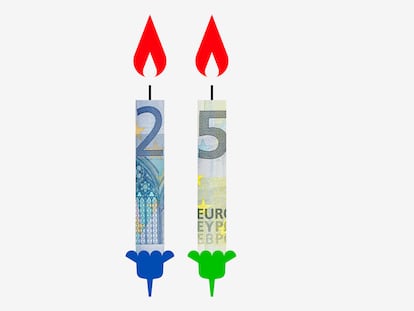
Despite its imperfections, it has proven to be better than the alternative of not having it and has created an area of stability
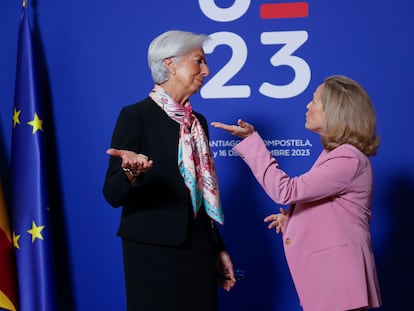
Since mid-2022, there have been 10 straight interest rate hikes; the most recent one is unnecessary and beyond questionable