Surviving the suicide of a loved one: The unspoken grief
Death by one’s own hand often leaves those who were close to the deceased in a state of sadness, bewilderment and guilt. And the wounds, which are difficult to heal, are not always well understood
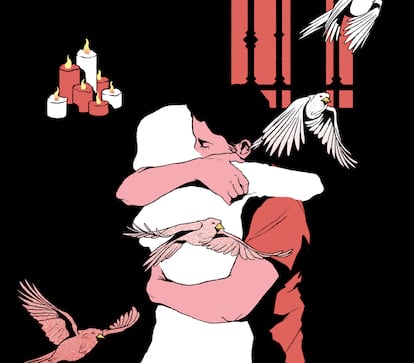
No one is prepared to survive the suicide of a loved one. For those left behind, the death is the beginning of a difficult, lonely and deeply singular process. It’s a kind of grief that rarely finds sufficient words, spaces, or social recognition.
People die by suicide every day. And behind each of these deaths are families, friends, partners and close circles who continue to live with a loss that’s rarely included in the public narrative of suffering.
For years, we have used the term “suicide survivor” or “survivor of suicide” to describe the reality of those who have experienced the suicide of a loved one. We call them “survivors” because this situation forces them to go through a specific grieving process, one that’s distinct from other experiences of loss. It’s marked by profound distress and an intense sense of loneliness.
One of the main elements that makes it different is the complex feeling of guilt that resides in those left behind. For many, the “what ifs” occupy all of their mental space, making it difficult to function as they continue with daily life. The closer the survivor’s emotional connection to the deceased, the more intense the self-scrutiny they subject themselves to: “I should have realized,” “I should have done things differently,” or “If I had acted differently, it could have been avoided.” This profound guilt creates a continuous internal rift that prevents the wound from healing.
Furthermore, the shame stemming from many myths, misconceptions and knowledge gaps is internalized. Ideas such as “only weak people kill themselves” or “if someone dies by suicide, it’s because they didn’t feel loved” — which unfortunately persist among a large part of the population — cause many survivors to experience shame about the situation.
The deaths of loved ones are always painful: sharing our emotions about them can be difficult and uncomfortable. However, we can be certain that, in the face of death from a physical illness or a traffic accident, for example, no one will pass moral judgment on the strength of the person who is no longer with us, or on our role in the tragedy. However, most people affected by the suicide of a loved one feel that they lack safe and supportive spaces in which to express their grief. This minimizes their chances of finding support and solace within their community.
Along with guilt and shame, emotional ambivalence often coexists. We may experience intense emotions of love that are manifested as profound sadness; we may miss the deceased, feel nostalgic, or feel the need to talk about them. We may also feel profound anger, related to all the unanswered questions, the doubts and “what ifs,” or the difficulty of finding a rational explanation about what happened.
The fact that this is an exceptional kind of grief doesn’t imply that it’s a pathological or clinical process. Its exceptionality points, rather, to the direct consequences of experiencing a loss that’s shrouded in stigma, silence and invisibility. But isn’t the avoidance of the topic and the silence we so often encounter a form of social abandonment of all survivors?
Contrary to what we often think, providing support doesn’t necessarily require the right answers or the perfect words. Rather, it requires presence and availability, in order to listen without rushing, and without trying to heal the pain too quickly. Supporting someone means not asking for explanations and not looking for someone to blame, while also not demanding strength or an exemplary recovery. It means allowing the person to navigate the process in whatever way they are able.
It means creating spaces where they can name the person who died, without fear of causing discomfort; where they can repeat their story as many times as needed; and where they can express conflicting emotions, without being corrected. Supporting someone also means accepting that this grief does not follow set timelines, that it does not always lead to visible growth, and that it cannot be resolved with prefabricated messages of hope.
We live in a cultural context that tends to individualize and simplify distress. Suicidal behavior challenges this logic, revealing that, behind a death by suicide, there isn’t a single cause or a single person responsible, but rather the expression of a collective failure to alleviate the pain that human beings can experience.
The network of relationships affected after a death by suicide will need the care and support that—as a society—we still don’t always know how to offer, or don’t always dare to.
Tu suscripción se está usando en otro dispositivo
¿Quieres añadir otro usuario a tu suscripción?
Si continúas leyendo en este dispositivo, no se podrá leer en el otro.
FlechaTu suscripción se está usando en otro dispositivo y solo puedes acceder a EL PAÍS desde un dispositivo a la vez.
Si quieres compartir tu cuenta, cambia tu suscripción a la modalidad Premium, así podrás añadir otro usuario. Cada uno accederá con su propia cuenta de email, lo que os permitirá personalizar vuestra experiencia en EL PAÍS.
¿Tienes una suscripción de empresa? Accede aquí para contratar más cuentas.
En el caso de no saber quién está usando tu cuenta, te recomendamos cambiar tu contraseña aquí.
Si decides continuar compartiendo tu cuenta, este mensaje se mostrará en tu dispositivo y en el de la otra persona que está usando tu cuenta de forma indefinida, afectando a tu experiencia de lectura. Puedes consultar aquí los términos y condiciones de la suscripción digital.