How does the death of a loved one affect dogs and cats?
Animals grieve when someone in their environment dies, which can manifest as apathy and a lack or even loss of appetite. In these cases, it’s not advisable to bring another pet into the home as a way to fill the void


Grief over the death of a loved one isn’t exclusive to humans. Dogs and cats also experience it; they grieve and need time to recover. The emotional world of animals is vast and complex. “They are social beings, so they form bonds with their companions, both of the same species and others,” says the veterinarian Sandra Borrás. “When they undergo a change, such as the loss or arrival of a new member to their family, they go through a period of adjustment to the new situation,” she adds.
Some animals lose an important figure in their social group, which can cause emotional distress. “They experience stress because certain shared routines they had become very used to, like going for walks, suddenly disappear, so they feel more alone and need time to adjust to the absence of the friend who left,” the expert explains. They may also be apathetic and less cheerful. “They feel sad and unmotivated to do things that previously motivated them, because the friend they shared time with is no longer there. Others may feel insecure about losing that companionship that provided them with support,” she says.
Each animal’s grief is unique and depends on many factors, such as its personality and life experiences. Like people, each one expresses it in its own way. “Some don’t want to go out to play, others change their routines or bark more often when they’re alone. They can even suffer from anorexia or loss of appetite due to their emotions,” explains the specialist.

The adjustment period to the new situation also varies from case to case, depending on the animal’s relationship with the deceased loved one. “It often lasts for months, but others overcome it quickly and regain their trust. It all depends on factors such as the degree of emotional distress or the type of bond they shared,” Borrás adds.
An animal’s grieving process is reflected in its behavior. “Some changes that may occur include decreased activity and playfulness, increased attention-seeking, fearfulness, increased vocalization, or changes in appetite,” explains Helena Bat, an ethologist and animal psychologist, while also noting the risk of anxiety: “It’s common when life changes feel uncontrollable, and, as with people, they may need medication, such as anxiolytics or antidepressants, the use of which should be evaluated by a specialist.” However, behavioral changes can help them adapt to the new situation. “For example, if a dog lived with another very active dog, it may become more sedentary because its companion encouraged it to play and move. The key is to observe the animals and try to offer them what they need at each moment,” Bat adds.
The arrival of a new animal companion
Opening the door to another pet after the death of the previous one is a personal decision, but in any case, it’s not a decision that should be considered as a way to fill the void left by the absence. “You can’t replace someone who is no longer going to be in your life. The best thing to do is wait a while and consider that animal shelters offer the option of fostering an animal temporarily, to ensure that the relationship is satisfactory before adopting,” advises the specialist.

It’s important to keep in mind that each animal experiences the arrival of a new companion differently. “Some show rejection, others see it as a new game. But the grief for the other member will be present to a greater or lesser degree,” Borrás assures. “In other cases, it’s counterproductive. For example, when an older animal has a damaged emotional state, it may become distrustful and apathetic. And if a new member is introduced, which is sometimes a puppy or an animal with a very different energy level than the previous one, it can accentuate its stress and discomfort,” she explains.
To help a dog or cat through their grieving process, it’s important to distinguish between their usual behavior and the changes that occur after the absence, such as changes in their sleep routine. “It’s about recognizing their new needs and addressing them. For example, for cats, ensuring they have a suitable environment that aligns with their nature, with places where they can retreat alone or with calming scents,” advises Stefania Pineda, a specialist in animal behavior medicine. “In the case of dogs, they would need more human contact and to spend more time with you,” adds Pineda, who is also a professor in the Department of Animal Production at the Complutense University of Madrid.
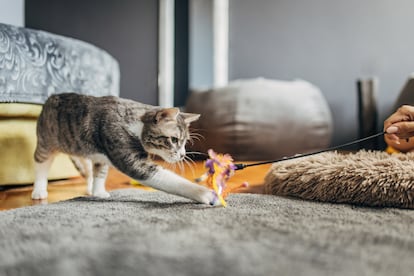
Cats and dogs have unique ways of expressing their moods. “Cats tend to isolate themselves more when they’re not feeling well emotionally or physically, so it’s best not to overwhelm them or force them to interact. Instead, approach them through games or activities that motivate them, such as games that simulate hunting, since they are predators,” explains the specialist. “In the case of dogs, it’s important that they feel supported and confident to help them overcome any emotional instability the situation may cause. Offer them food they particularly enjoy that provides healthy energy, or increase their physical activity with more games or walks,” she recommends.
Sign up for our weekly newsletter to get more English-language news coverage from EL PAÍS USA Edition
Tu suscripción se está usando en otro dispositivo
¿Quieres añadir otro usuario a tu suscripción?
Si continúas leyendo en este dispositivo, no se podrá leer en el otro.
FlechaTu suscripción se está usando en otro dispositivo y solo puedes acceder a EL PAÍS desde un dispositivo a la vez.
Si quieres compartir tu cuenta, cambia tu suscripción a la modalidad Premium, así podrás añadir otro usuario. Cada uno accederá con su propia cuenta de email, lo que os permitirá personalizar vuestra experiencia en EL PAÍS.
¿Tienes una suscripción de empresa? Accede aquí para contratar más cuentas.
En el caso de no saber quién está usando tu cuenta, te recomendamos cambiar tu contraseña aquí.
Si decides continuar compartiendo tu cuenta, este mensaje se mostrará en tu dispositivo y en el de la otra persona que está usando tu cuenta de forma indefinida, afectando a tu experiencia de lectura. Puedes consultar aquí los términos y condiciones de la suscripción digital.