What Mexico has gained and lost from its economic relationship with Chavista Venezuela
Trade has declined and has yet to recover since the hyperinflationary crisis of 2018, but foreign direct investment and remittances have soared in the last two years
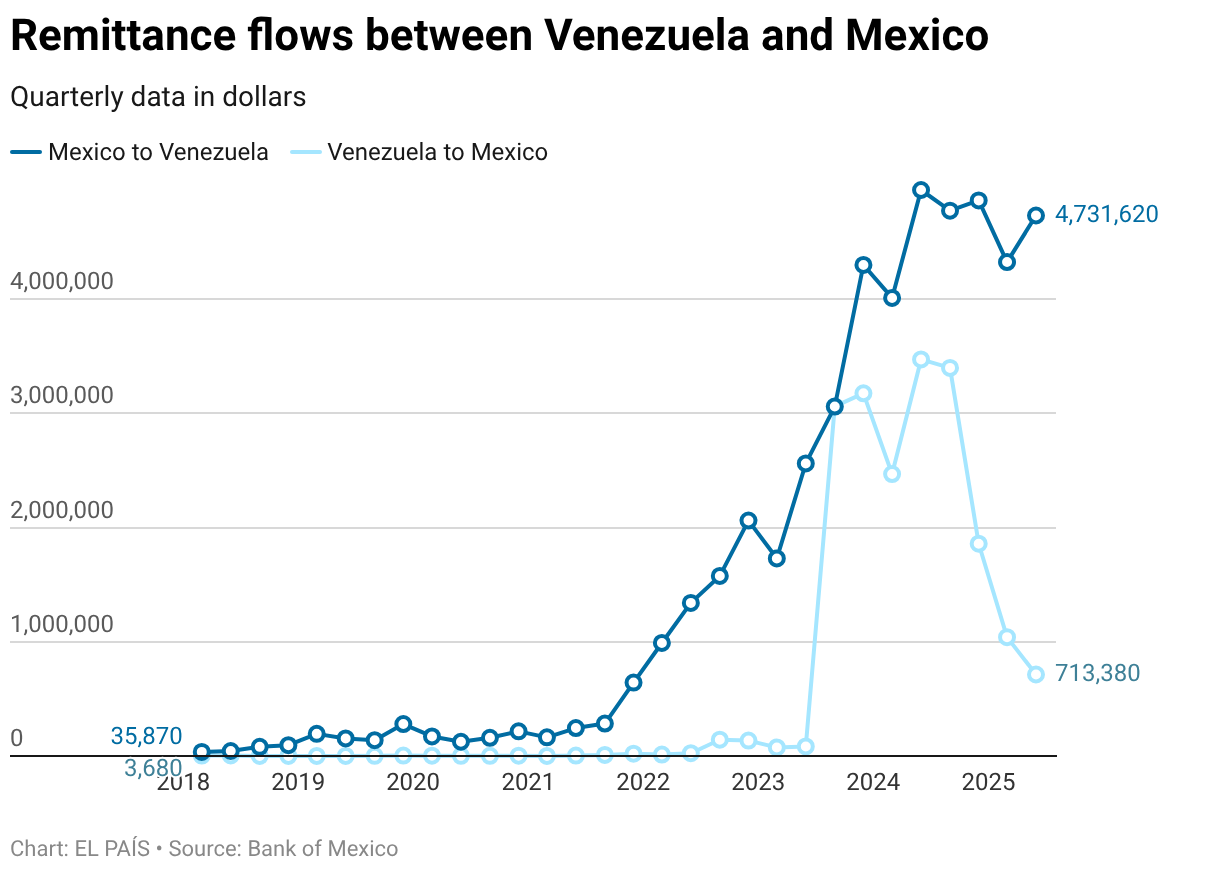

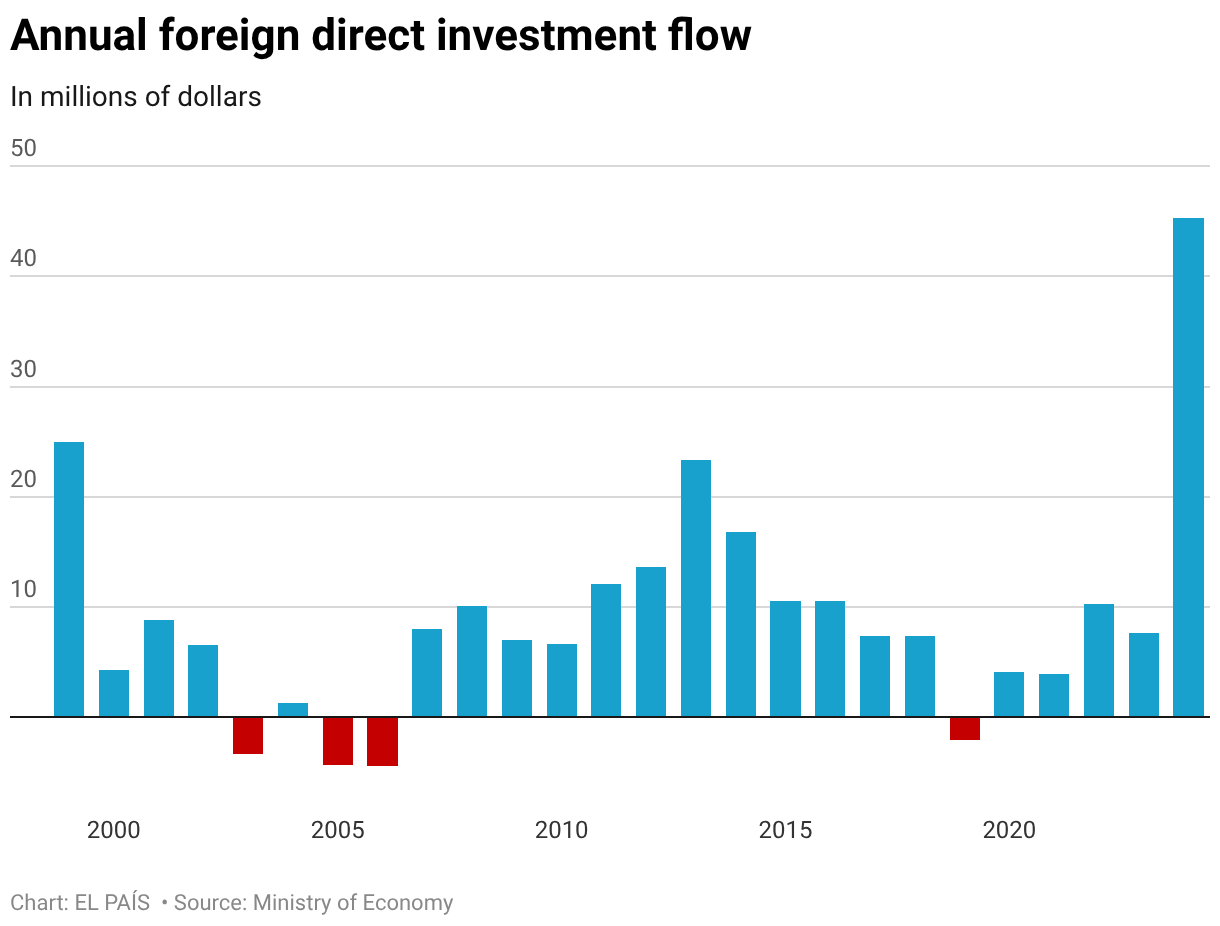
Venezuela went from being one of Mexico’s commercial partners in the early 2000s to now representing just 0.005% of national imports. The collapse of the Venezuelan economy — which worsened after 2013 with severe contractions of its GDP — has strained bilateral trade in recent years, during which Mexican companies operating in the country withdrew due to the risk of non‑payment and the lack of legal certainty. Today, exchanges between the two countries have seen an uptick in foreign direct investment flowing into Mexico and in the remittances migrants send to their families in Venezuela, while political signs of closeness continue.
Following Nicolás Maduro’s arrest in early January, Mexican President Claudia Sheinbaum has reiterated that conflicts between countries must be resolved through dialogue and diplomacy, and she has also called for a fair trial for the former leader. Both the current president and López Obrador have shown signs of closeness toward the government in Venezuela, where production has struggled under restrictions imposed by the United States, particularly on its economic pillar: oil.
Tensions with the United States — which began with the rise of Hugo Chávez (1999–2013) and deepened under Nicolás Maduro (2013–2026) — triggered declines in the local economy, directly reflected in foreign investors’ loss of confidence. Over the years, capital fled Venezuela and companies — including domestic ones — saw their operations collapse or abandoned production altogether. In that same dynamic, trade with Mexico also fell.
According to Jorge Sánchez Tello, an economist and independent consultant, the only Venezuelan product of real interest to Mexico was oil, but it was not refined efficiently, and as a result, it has lost weight in trade exchanges.

The International Monetary Fund has estimated that inflation rose 556% in 2025, a calculation that does not accurately reflect how prices evolve for Venezuelan households, since it lacks the tools used for other countries. The Venezuelan government keeps its data under wraps, which means inflation can only be measured based on a handful of essential goods.
Despite Venezuela’s prolonged economic hardships, foreign direct investment from that country into Mexico saw a significant rebound in 2024. Most of that capital landed in Mexico’s Caribbean region, Tello explains — in the states of Quintana Roo, Tabasco, and Yucatán, as well as Veracruz — far from the areas that typically attract the most investment, which tend to be the more industrialized states. “The Riviera Maya functions as an ‘alternative Miami’ for Venezuelan capital seeking tangible assets,” the analyst says. Investors usually place their money in real estate or tourism projects, often in already‑established destinations such as Cancún or the city of Mérida.
The Venezuelan diaspora in Latin America
Nearly 6.9 million Venezuelans have migrated to other Latin American countries — 85% of all migrants — according to the International Organization for Migration (IOM). In several waves, Venezuelans began seeking opportunities abroad starting in the early 2000s. Colombia, the neighboring country, received the largest share of the diaspora, with 2.8 million people, followed by Peru and the United States. In 2022, the U.S. Offered humanitarian visas to those wishing to leave Maduro’s government, although the administration of Donald Trump, who returned to power in January 2025, halted the issuance of those permits and even revoked visas for some who had already received them. When migrants reached the U.S. Southern border, they were sent back to Mexico, leaving them in a state of limbo.
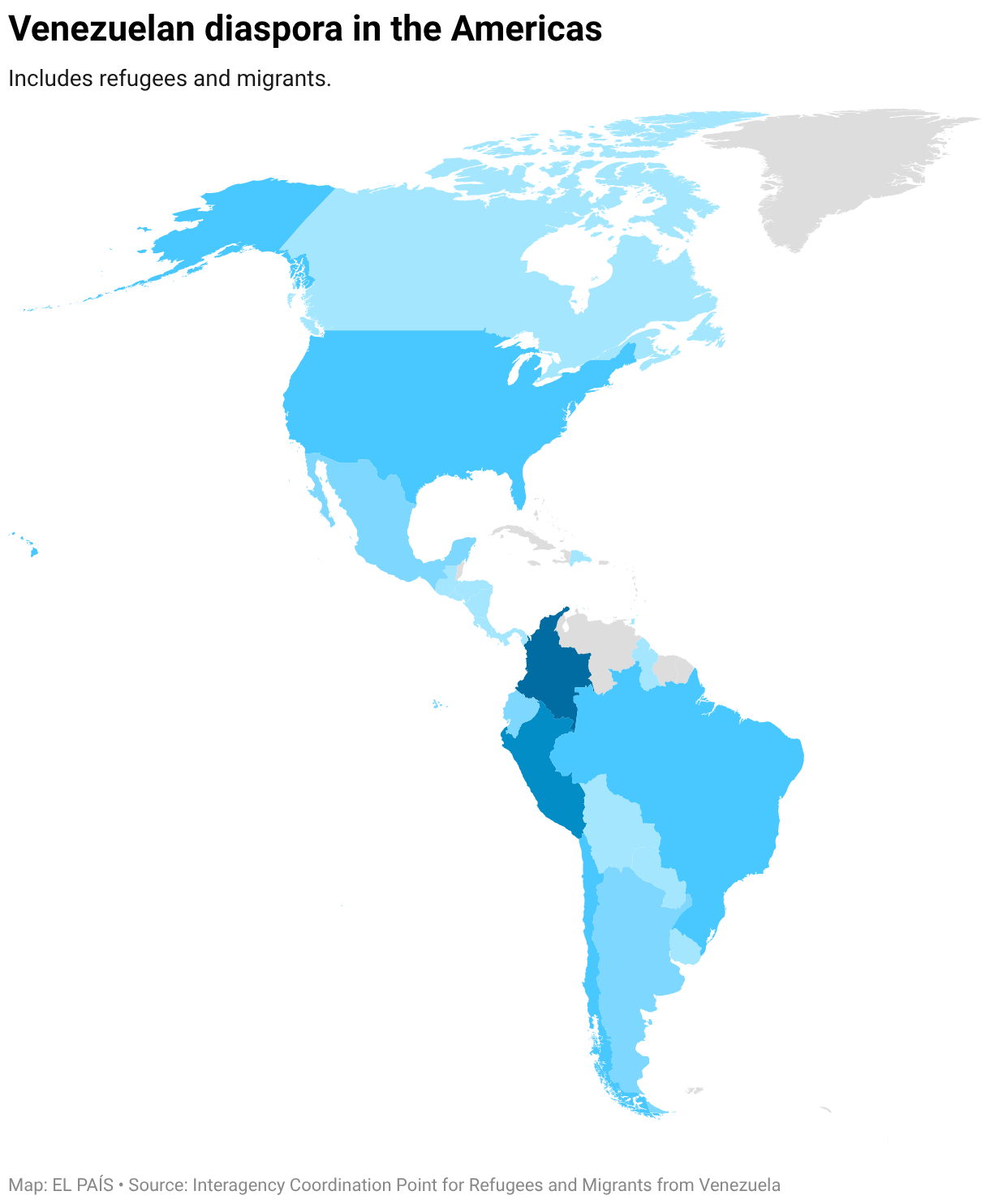
Mexico has provided refuge to at least 106,000 Venezuelans, although the figures are imprecise given the impossibility of counting those who entered the country through irregular crossings and became trapped by Donald Trump’s new anti‑immigration policy. This flow of people also helps explain the surge in remittances in 2024. Starting in the second quarter of that year, record amounts of money sent by migrants in Mexico to their families in Venezuela began to be registered, reaching nearly $5 million.
Statistics also show an increase in remittances flowing from Venezuela to Mexico. Sánchez Tello estimates that this may reflect small‑scale capital flight or financial triangulation to move money out of the country, rather than workers’ remittances. This outflow of funds from Venezuela, he notes, may represent emergency savings that citizens are trying to relocate elsewhere.
Mexican oil replaces Venezuela’s shipments to Cuba
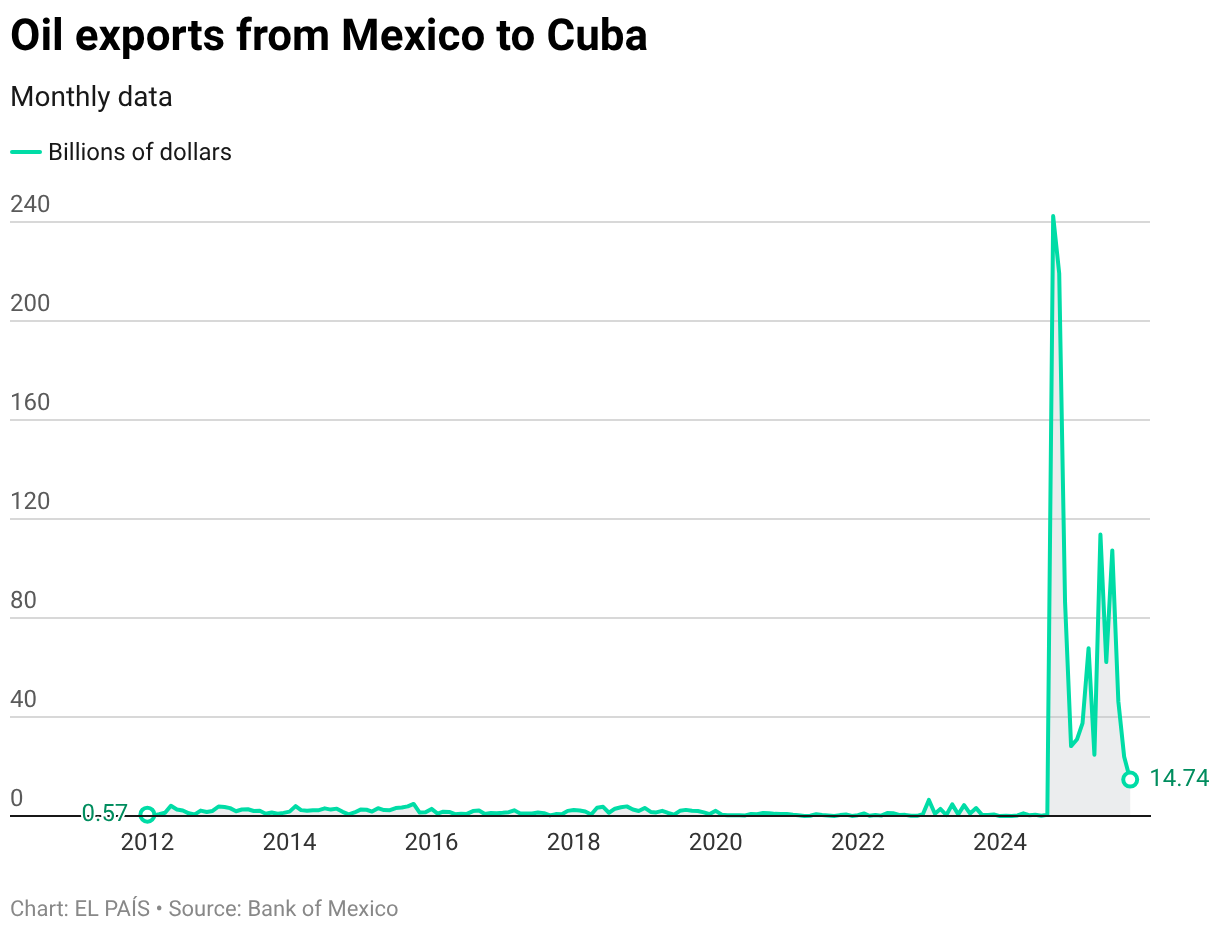
Despite U.S. Restrictions, Venezuela continued to rely on oil sales as its most important source of income. The country with the world’s largest crude reserves was also the pillar sustaining Cuba’s energy consumption. It was a role President Sheinbaum initially decided to maintain, but ultimately suspended after Trump threatened to impose tariffs. In October 2024, shipments from Mexico’s state oil company Pemex increased significantly, according to data from the Bank of Mexico. The Mexican government has opted instead to send humanitarian aid to the island.
Sign up for our weekly newsletter to get more English-language news coverage from EL PAÍS USA Edition
Tu suscripción se está usando en otro dispositivo
¿Quieres añadir otro usuario a tu suscripción?
Si continúas leyendo en este dispositivo, no se podrá leer en el otro.
FlechaTu suscripción se está usando en otro dispositivo y solo puedes acceder a EL PAÍS desde un dispositivo a la vez.
Si quieres compartir tu cuenta, cambia tu suscripción a la modalidad Premium, así podrás añadir otro usuario. Cada uno accederá con su propia cuenta de email, lo que os permitirá personalizar vuestra experiencia en EL PAÍS.
¿Tienes una suscripción de empresa? Accede aquí para contratar más cuentas.
En el caso de no saber quién está usando tu cuenta, te recomendamos cambiar tu contraseña aquí.
Si decides continuar compartiendo tu cuenta, este mensaje se mostrará en tu dispositivo y en el de la otra persona que está usando tu cuenta de forma indefinida, afectando a tu experiencia de lectura. Puedes consultar aquí los términos y condiciones de la suscripción digital.