The future of FEMA is at stake under the leadership of Markwayne Mullin
The track record of the senator, whose confirmation as the next Secretary of Homeland Security is almost certain, indicates that he does not understand the need for a robust federal response to disasters
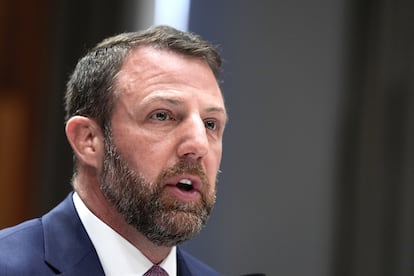
The removal of Kristi Noem from the Department of Homeland Security (DHS) marks an important moment for the future of disaster response and climate resilience in the United States. While her dismissal was widely celebrated by immigrants and human rights advocates, it also offers relief to those who champion climate action and effective emergency management. Yet, as Senator Markwayne Mullin of Oklahoma steps in as her replacement, critical questions remain about whether the Federal Emergency Management Agency (FEMA) will get the leadership it needs.
FEMA operates under the DHS, coordinating nationwide disaster response and preparedness. Its work is often invisible until catastrophe strikes. When wildfires destroy homes, floods strand families, or hurricanes devastate communities, FEMA mobilizes shelter, rescue, and medical assistance. The agency’s effectiveness can determine whether millions of Americans recover or face devastation.
Under Noem’s tenure, FEMA struggled. Reports indicate she delayed funding for key operations and implemented personnel cuts that weakened the agency’s capacity to respond to emergencies. Most controversially, she diverted FEMA resources to fund Alligator Alcatraz, an immigration detention center in Florida, costing taxpayers an estimated $1.2 million per day—money that could have been used for disaster relief. Her firing was justified, but it came too late for those already affected by these policy choices.
The stakes are high as Senator Mullin takes the helm. One might expect a congressman from Oklahoma, a state frequently hit by tornadoes and severe weather, to appreciate the necessity of robust federal disaster response. Yet Mullin’s record suggests otherwise. He has repeatedly questioned the federal government’s role in disaster relief, stating in a Fox Business interview that local governments and communities should take the lead in recovery efforts. This perspective overlooks the reality that many localities lack the resources, personnel, and coordination required to respond effectively, especially when disasters cross state lines.
Mullin’s actions match his rhetoric. He voted against several bills that provided federal disaster relief to Hurricane Sandy victims and has sponsored legislation to block the enforcement of methane-emissions standards for new oil and gas facilities. He has also sought to prevent the Environmental Protection Agency from considering future climate damages in its cost-benefit analyses, a short-sighted approach given the escalating impacts of climate change on American communities.
At his confirmation hearing yesterday, Mullin’s comments about FEMA did little to inspire confidence. When pressed by Senator Andy Kim of New Jersey about the agency’s future, Mullin stated that FEMA “needs to be restructured, not eliminated.” While this may sound reassuring compared to Trump’s previous discussions about “getting rid of” FEMA entirely, Mullin’s characterization of federal agencies, including FEMA, as “bloated” raises serious concerns.
To his credit, Mullin did commit to reversing one of Noem’s most damaging policies: her requirement that more than 1,000 FEMA grants receive prior approval before funding could be distributed. This commitment is welcome, but it doesn’t erase Mullin’s troubling record on disaster relief and climate policy.
The American people deserve clear answers about his plans for FEMA’s future, particularly regarding climate disaster preparedness and response.FEMA needs a leader committed to improving its services, not weakening them. The notion that local governments can manage every disaster on their own is unrealistic. Without adequate federal support, communities will struggle to recover from increasingly frequent and severe weather events.
Mullin is a yes man, which explains why Trump chose him. Like Noem, he lacks the qualifications for the position, but his loyalty to the president has earned him this reward. In an administration that values party over country—and personal allegiance over public service—loyalty is the only currency that counts. The real cost is carried by everyday Americans.
Tu suscripción se está usando en otro dispositivo
¿Quieres añadir otro usuario a tu suscripción?
Si continúas leyendo en este dispositivo, no se podrá leer en el otro.
FlechaTu suscripción se está usando en otro dispositivo y solo puedes acceder a EL PAÍS desde un dispositivo a la vez.
Si quieres compartir tu cuenta, cambia tu suscripción a la modalidad Premium, así podrás añadir otro usuario. Cada uno accederá con su propia cuenta de email, lo que os permitirá personalizar vuestra experiencia en EL PAÍS.
¿Tienes una suscripción de empresa? Accede aquí para contratar más cuentas.
En el caso de no saber quién está usando tu cuenta, te recomendamos cambiar tu contraseña aquí.
Si decides continuar compartiendo tu cuenta, este mensaje se mostrará en tu dispositivo y en el de la otra persona que está usando tu cuenta de forma indefinida, afectando a tu experiencia de lectura. Puedes consultar aquí los términos y condiciones de la suscripción digital.